Knee & joint replacement
Advanced arthritis care, partial and total knee replacement, with pre-operative planning and structured recovery.
Orthopaedic Specialist · Joint, Spine & Sports Care
Advanced orthopaedic care, delivered with precision and empathy. Dr. Roshan Kumar Mohanty helps you understand your pain — and find a path back to the life you love to move through.
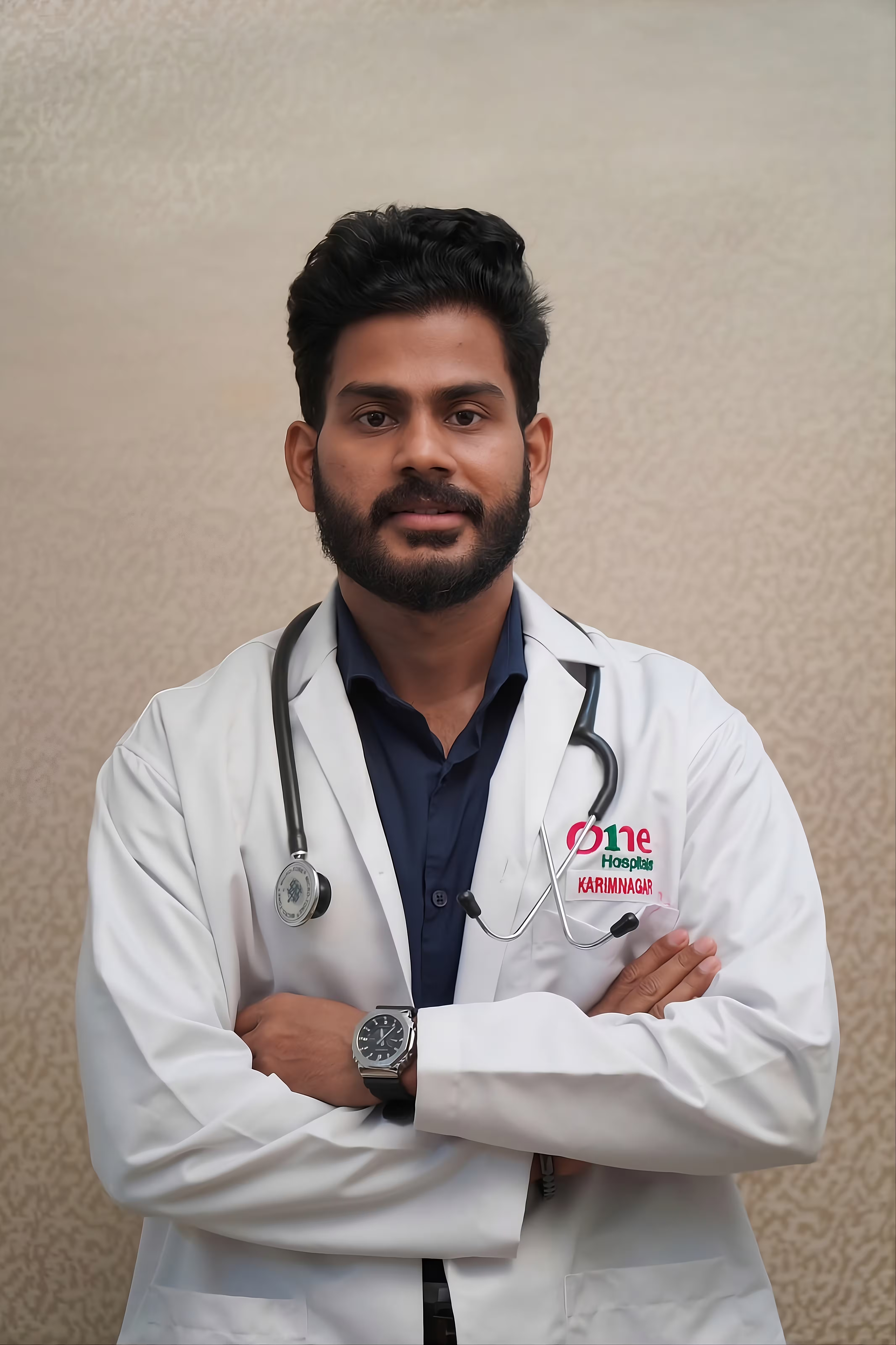
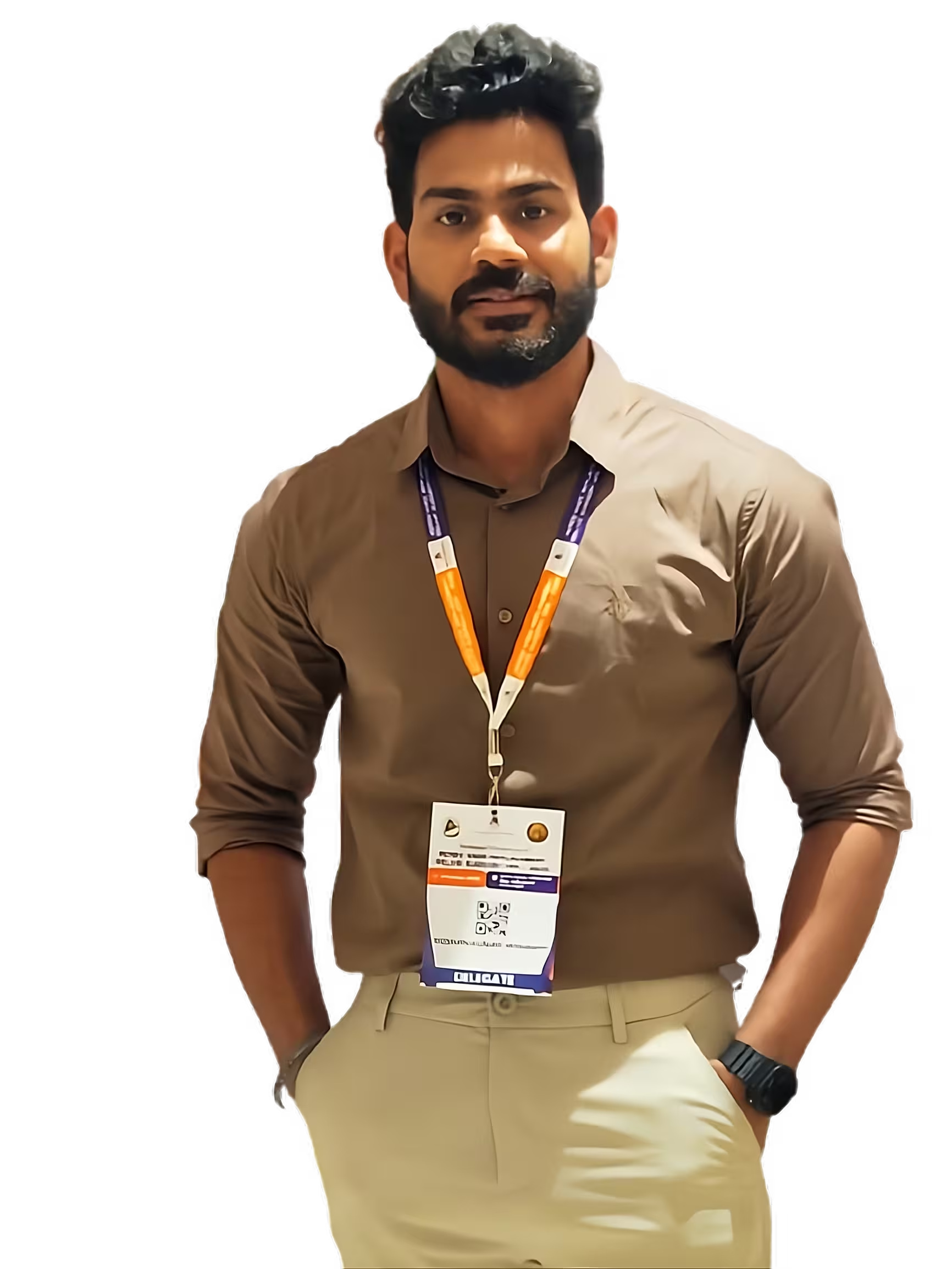
Dr. Roshan Kumar Mohanty
Consultant Trauma & Joint Replacement Surgeon
Profile details pending verification.
01 — About the doctor
Pain has a way of shrinking your world. The right care widens it again — carefully, and at your pace.
Dr. Roshan Kumar Mohanty is an orthopaedic specialist whose practice is built around a simple belief: a good outcome begins with a good conversation. He takes the time to understand how your pain affects your work, sleep, family and confidence — not just what a scan shows.
His clinical focus is the diagnosis and treatment of joint, spine and sports-related conditions, with an emphasis on preserving function wherever possible and considering surgery only when it clearly serves the patient. Every plan is explained in plain language, with realistic expectations and clear next steps.
“My job is not just to treat a joint. It is to understand the life that joint needs to support.”
02 — Qualifications & experience
A transparent record of training and clinical roles — the foundation behind every consultation.
Bachelor of Medicine and Bachelor of Surgery — foundation in general medicine, surgery and clinical examination.
Master of Surgery in Orthopaedics, with training in joint assessment, trauma, fracture management and operative orthopaedics.
His practice focuses on joint care, sports injuries, spine-related pain and trauma.
03 — Areas of expertise
From the first twinge to complex reconstruction, each concern is assessed with the same rigour — and treated with a plan built around your life.
Advanced arthritis care, partial and total knee replacement, with pre-operative planning and structured recovery.
Assessment of groin and hip pain, joint preservation, and hip replacement for advanced disease.
Non-surgical first approach to back and neck pain, sciatica and disc-related symptoms, with surgical opinion when needed.
Return-to-play care for ligament, meniscus and shoulder injuries, from diagnosis through rehabilitation.
Timely fracture care, surgical fixation where indicated, and rehabilitation that restores confidence.
Long-term management of osteoarthritis and osteoporosis, including joint preservation and lifestyle guidance.
Treatment availability may vary by case and facility. Please confirm the recommended approach during your consultation. Book a consultation
04 — Interactive body map
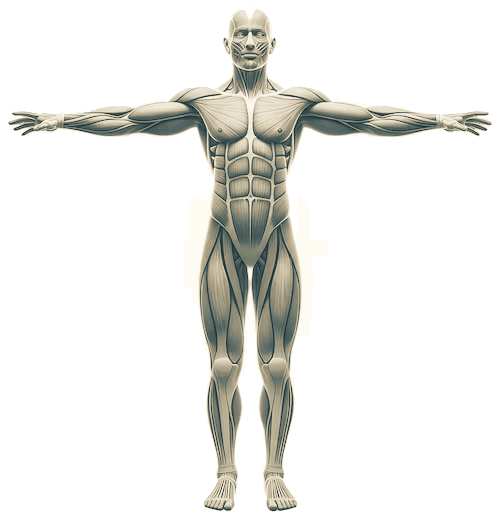
Explore common orthopaedic concerns by region. Select a joint to see what typically causes pain there — and how it is assessed and treated.
Educational guide · not a diagnosisThe knee bears more load than any other joint. Pain here is often mechanical — and often manageable without surgery.
05 — Conditions treated
Pain is a symptom, not a diagnosis. These are the concerns most often seen in clinic — each one begins with a careful examination and a clear explanation.
Stiffness, grinding and pain with stairs or walking. Care ranges from activity guidance and injections to joint replacement.
See the knee guideTwisting injuries, swelling and instability. Assessed clinically and with imaging, then managed with rehab or arthroscopy.
See the knee guidePain that sits deep in the groin or outer hip, often worse on walking. Includes arthritis and avascular necrosis.
See the hip guideMechanical pain from posture, disc changes or strain. Most cases improve with targeted physiotherapy and simple changes.
See the back guidePain, tingling or numbness travelling down the leg. Managed with careful assessment, medication and rehabilitation.
See the back guideProgressive stiffness and night pain. Staged treatment includes physiotherapy, injections and gentle mobilisation.
See the shoulder guideWeakness or pain when reaching overhead. Treated with strengthening, injections or keyhole surgery when indicated.
See the shoulder guideACL tears, ankle sprains and overuse injuries. A structured return-to-play plan, not just a rest period.
See the knee guideFrom a simple wrist fracture to complex injuries. Timely immobilisation or fixation, followed by rehabilitation.
See the elbow guideFragility and fracture risk. Bone health review, nutrition and exercise guidance, and medical management where needed.
See the hip guideFirst-step pain in the morning and tenderness under the heel. Often resolved with stretching, footwear advice and insoles.
See the ankle guideRecurrent rolling, swelling or weakness. Proper assessment prevents long-term instability and early joint wear.
See the ankle guideNot sure what is causing your pain? That is exactly what a consultation is for.
Talk to the doctor06 — Treatments & procedures
Surgery is one option, not the only one. Explore the care pathways available — each begins with assessment and a conversation about what matters to you.
When arthritis pain begins to dictate your day, replacement can restore movement and independence. The aim is a knee that feels stable, predictable and yours.
Hip pain often hides in the groin. When the joint no longer responds to conservative care, replacement can return comfortable, unguarded movement.
For selected ligament, meniscus and shoulder problems, keyhole surgery can repair damage with less disruption — followed by a deliberate return-to-play programme.
Bones heal best when aligned, stable and supported. From casting to internal fixation, the goal is to restore anatomy and get you moving safely again.
Most back pain does not need surgery. A careful examination, red-flag screening and a rehabilitation plan resolve the majority of episodes.
Arthritis is managed, not simply endured. Weight, activity, strength and targeted injections can all change the trajectory of joint pain.
Strength is the foundation of every good outcome. Rehabilitation is planned with you — and coordinated with physiotherapists who understand the milestones.
Surgical decisions are always made after a clinical assessment and a full discussion of risks, benefits and alternatives.
07 — Patient care
Good medicine is a partnership. You bring the story of your pain; the clinic brings the expertise, the time and the honesty to find the way forward.
Enough time to explain, examine and answer questions — without feeling rushed toward a decision.
Non-surgical care is explored first wherever it is safe and appropriate. Surgery is a considered choice, not a reflex.
You leave knowing what is happening, why it is happening, and exactly what the next step looks like.
Follow-up, rehabilitation and recovery milestones are coordinated — so progress is never left to guesswork.
Consultation process
Book online, call or send a WhatsApp message. Share how long you have had pain and what makes it worse.
A focused clinical examination, review of previous reports, and imaging only where it changes the plan.
Diagnosis explained, treatment options compared, questions answered — with realistic timelines.
Physiotherapy or surgical care as agreed, with scheduled follow-up to measure progress and adjust.
08 — Questions, answered
If your question is not here, the clinic will be glad to answer it directly — no obligation to book.
Still unsure? Send a short message with your concern and preferred time.
Ask on WhatsAppConsider a consultation if pain has lasted more than a few weeks, is worsening, wakes you at night, limits walking or stairs, or is accompanied by swelling, locking, giving way or numbness. Early assessment often opens up more conservative options.
No referral is required for a private consultation. If you have previous prescriptions, imaging or discharge summaries, bringing them helps the doctor understand your history faster.
No. Most orthopaedic concerns are managed without an operation. Surgery is considered only when conservative care has been tried or is unlikely to help, and when the benefits clearly outweigh the risks for you.
Bring a photo ID, your current medication list, previous X-rays or MRI films/reports, and any recent blood test results. Wear or bring comfortable clothing if the affected joint needs to be examined.
Plan for around 20–30 minutes for a first consultation, including history, examination and discussion. Follow-up visits are usually shorter. Timings are indicative and may vary on the day.
Teleconsultation may be available for follow-ups and report reviews by prior arrangement. Please confirm availability when booking.
Consultation fees and insurance/cashless facilities vary. Please contact the clinic for current fees, accepted insurers and payment options before your visit.
09 — Health journal
Evidence-informed articles written to answer the questions patients actually ask — in language that makes sense.
The difference between a passing ache and a problem worth investigating — and the signs you should not ignore.
Read articleSmall, repeated choices often matter more than one dramatic injury. Here is what to notice — and what to change.
Read articleWhat the first six months actually look like, why rushing is risky, and how progress is measured.
Read articleWritten for education only — always discuss your own situation with a clinician.
10 — Appointments
Tell us a little about your concern and when you would like to be seen. The clinic will confirm your slot by phone or WhatsApp.
Timings are indicative — confirm your slot with the clinic.
One more step: send the prepared message on WhatsApp so the clinic can confirm your appointment. Prefer to speak? Call directly.
11 — Contact
Reach the clinic by phone, WhatsApp or email — or send a request through the booking form.